Pressure Points: Why Your Premium Fixtures May Be Failing You—and What to Do About It
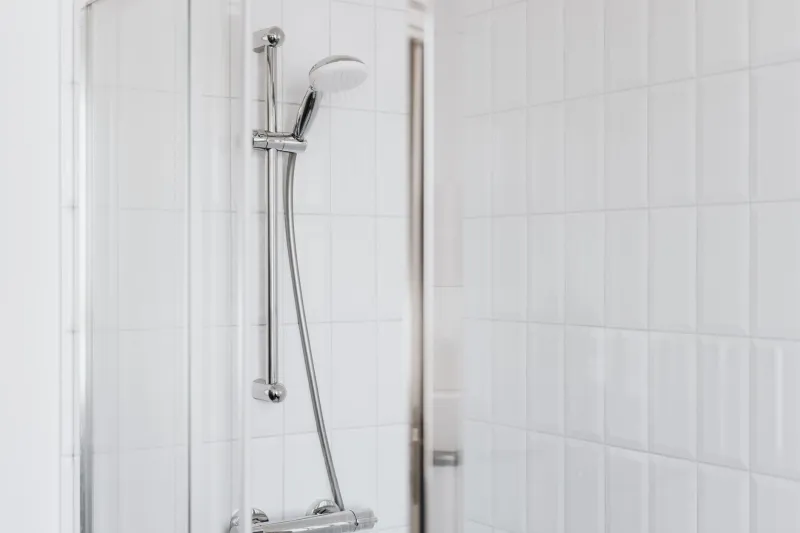
There is a particular kind of frustration reserved for the homeowner who has spared no expense on a bathroom renovation, only to stand beneath a lackluster rain shower head wondering why it performs like something from a mid-range hotel. The tiles are flawless. The thermostatic valve gleams. The fixture itself arrived from a celebrated European manufacturer with a specification sheet full of impressive numbers. And yet the experience falls short—noticeably, disappointingly short.
In most cases, the fixture is not at fault. The culprit is something far less glamorous: the water pressure available at the point of delivery.
This is one of the most underexamined challenges in American luxury bathroom design, and it affects a surprising number of high-end renovations across the country. Understanding why it happens—and how to address it—is essential for anyone planning a serious investment in their bathroom space.
The Gap Between European Engineering and American Infrastructure
Many of the most coveted bathroom fixtures on the market today are designed and manufactured in Europe, where residential water systems typically operate at pressures between 60 and 80 pounds per square inch (PSI). Some premium thermostatic systems and body spray configurations are engineered with the assumption of even higher flow rates. These products are genuinely exceptional pieces of engineering, but they were conceived for a different infrastructure context.
American residential plumbing is considerably more variable. While municipal supply pressure can reach 80 PSI in favorable conditions, many homes—particularly older ones—receive water at pressures between 40 and 55 PSI by the time it reaches the bathroom. Pressure losses accumulate across every foot of pipe, every elbow fitting, every elevation change, and every simultaneous draw on the system from other fixtures in the home. A master bathroom located on the second floor of a large property can realistically receive water at pressures 15 to 25 PSI below what enters the building at street level.
When a rain shower head engineered for high-pressure performance encounters 45 PSI, the result is not the immersive cascade experience its designers intended. It is a modest trickle from a very expensive ceiling fixture.
Why This Problem Is Rarely Caught Early
The disconnect is compounded by how luxury bathroom projects are typically sold and planned. Showroom demonstrations—when they occur at all—are conducted under controlled conditions that rarely reflect the realities of an individual home's plumbing. Fixture specifications list maximum flow rates and operating pressure ranges, but the lower thresholds are often buried in technical documentation that neither the homeowner nor the general contractor reviews carefully.
Meanwhile, the plumber engaged to install the fixtures is focused on code compliance and watertight connections, not on auditing whether the home's existing infrastructure can support the performance envelope of what is being installed. Everyone completes their portion of the project correctly. And yet the system as a whole underperforms.
This is a coordination failure more than a technical one, and it is entirely preventable.
Starting with a Pressure Audit
Before any fixture selection is finalized, a thorough pressure assessment should be conducted at the specific location of the intended bathroom. This means more than checking the municipal supply at the meter. A qualified plumber should measure dynamic pressure—pressure under actual flow conditions—at the point of use, accounting for the home's existing pipe diameter, material, age, and routing.
Older homes with galvanized steel pipes present particular challenges. Decades of mineral buildup can reduce effective pipe diameter substantially, cutting available flow rates even when static pressure readings appear adequate. Homes with mixed copper and older galvanized sections may exhibit erratic pressure behavior that only becomes apparent under simultaneous fixture use.
This audit should inform every subsequent fixture decision, not the other way around.
Pressure Boosting: When and How to Intervene
For homes where the audit reveals genuine pressure deficiencies, a whole-home or point-of-use pressure booster pump is often the most direct solution. Modern booster systems are compact, quiet, and capable of elevating pressure to levels that allow high-performance fixtures to operate as intended. They can be integrated into the existing plumbing without dramatic disruption and are increasingly common in luxury renovation projects where the fixture specification demands it.
The investment is meaningful—a quality booster pump with professional installation typically ranges from $800 to $2,500 depending on the system—but it is modest relative to the cost of the fixtures it is protecting. Proceeding with a $15,000 thermostatic shower system without addressing a known pressure deficit is a poor allocation of resources by any measure.
Pressure-reducing valves (PRVs) deserve attention as well, though for a different reason. In areas where municipal pressure is unusually high, an aging or improperly calibrated PRV can create unpredictable pressure behavior that damages sensitive thermostatic components over time. Verifying that the PRV is functioning correctly and set appropriately is a straightforward step that is frequently overlooked.
Valve Selection and System Design
For projects where boosting pressure is impractical or cost-prohibitive, thoughtful valve and fixture selection can partially compensate. Some thermostatic systems are engineered with broader operating pressure tolerances and perform creditably across a wider range of conditions. Specifying these systems—rather than defaulting to the most prestigious name on the showroom floor—requires a more technically informed conversation between the designer, the plumber, and the homeowner, but it leads to a result that actually delivers.
Flow restrictors, often installed to meet WaterSense standards or local conservation codes, can also create problems in low-pressure environments. A fixture already struggling with inadequate pressure will perform even more poorly with an added flow restriction. Understanding which restrictions are legally required and which are discretionary allows for more precise calibration of the final system.
Pipe sizing within the bathroom itself matters considerably as well. Upgrading supply lines from half-inch to three-quarter-inch pipe during a renovation is a relatively modest expense that can meaningfully improve flow rates at the fixture—particularly in bathrooms with multiple simultaneous outlets such as body sprays, handheld wands, and overhead rain panels.
The Commissioning Imperative
A luxury bathroom renovation should conclude not with a final walkthrough of the aesthetics, but with a commissioned performance test of every fixture under real operating conditions. This means running the rain shower, the thermostatic valve, and the secondary outlets simultaneously, measuring actual flow rates and temperatures, and confirming that the system performs within the ranges its components were designed to deliver.
If it does not, the time to discover and correct the deficiency is before the tile contractor has been paid in full and the renovation is considered complete.
The fixtures themselves—the sculptural freestanding tub, the brushed nickel valve trim, the ceiling-mounted shower panel—are what the homeowner sees and touches every day. But the infrastructure behind the wall is what determines whether those beautiful objects actually work. In a truly considered luxury renovation, both receive the same level of attention.
The bathroom experience you invested in begins with water arriving at the right pressure. Everything else follows from there.