Designed for the Life You Actually Live: The Rise of the High-Performance Luxury Bathroom
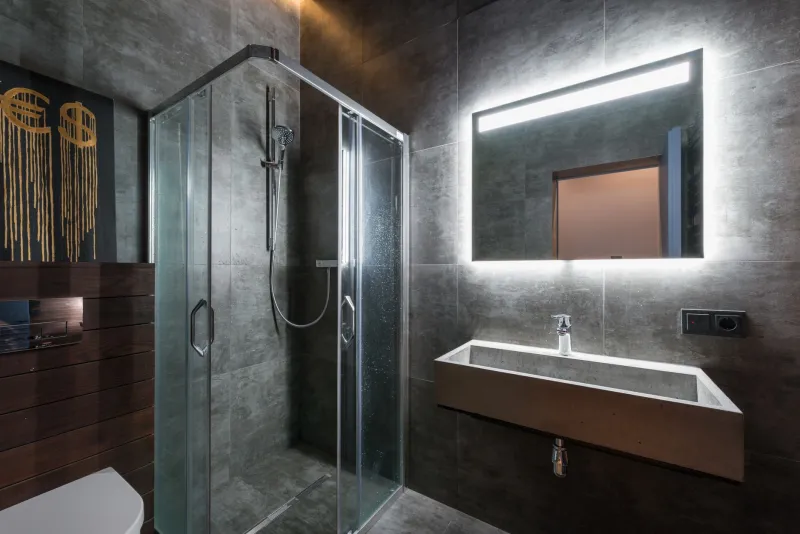
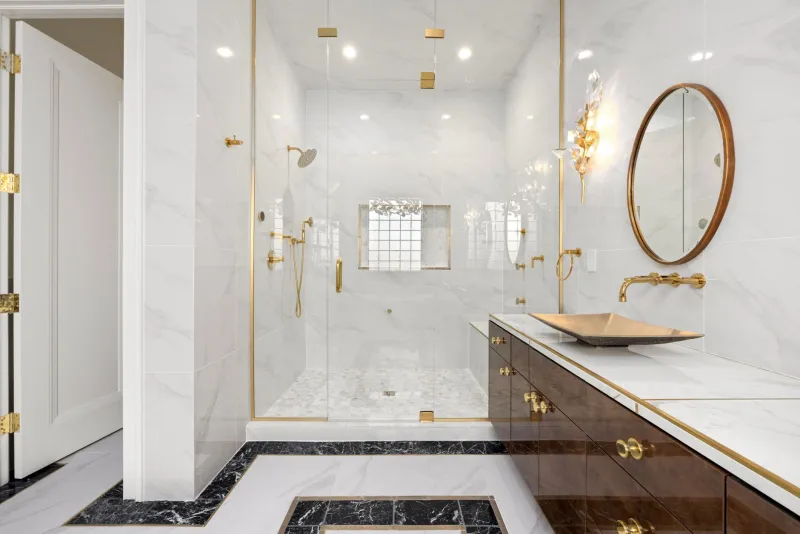
There is a particular kind of beautiful bathroom that has dominated the pages of design publications for the better part of two decades. It features an enormous freestanding tub positioned beneath a skylight, a walk-in shower with no visible door hardware, a double vanity with nothing on it, and enough negative space to suggest that its occupants do not own a single hair dryer, prescription bottle, or tube of toothpaste.
It is, by every photographic measure, extraordinary. It is also, for the vast majority of American households, essentially unusable as a primary bathroom.
Something is shifting. Across the country, a generation of designers working at the highest end of the residential market is quietly rejecting the tyranny of the showroom aesthetic. In its place, they are building something more demanding and, ultimately, more valuable: bathrooms that perform as beautifully as they look.
The Seven-Minute Problem
For most adults, the morning bathroom routine is not a meditative ritual. It is a compressed sequence of overlapping tasks executed under time pressure—often while managing children, monitoring a phone, and mentally rehearsing the first meeting of the day.
The traditional luxury bathroom was not designed for this reality. It was designed for leisure: for long soaks, unhurried grooming, and the kind of deliberate self-care that requires both time and silence. These are genuine pleasures, and no serious designer would argue against accommodating them.
But a bathroom that only performs well under ideal conditions is, by definition, underdesigned. The question that high-performance luxury designers are now asking is more rigorous: How does this room function when everything is happening at once?
The answers to that question are reshaping fixture placement, storage strategy, lighting design, and surface selection in ways that are as sophisticated as anything the purely aesthetic tradition has produced.
Workflow as a Design Principle
In professional kitchen design, the concept of the work triangle—the spatial relationship between the refrigerator, the stove, and the sink—has been a foundational planning tool for decades. The underlying logic is straightforward: the sequence in which tasks are performed should inform the sequence in which the spaces that support those tasks are arranged.
Luxury bathroom designers are increasingly applying equivalent thinking to their projects. The morning routine has a sequence. That sequence has friction points. Good design reduces friction.
For most users, the routine moves from shower to vanity to dressing area. A layout that forces the user to cross the room wet, or to reach past a partner for a shared outlet, or to navigate around a decorative element that serves no functional purpose—these are not minor inconveniences. Experienced daily, they accumulate into a low-grade dissatisfaction that no amount of beautiful tile can fully offset.
Designers working in this mode spend considerable time in the early planning phase mapping the actual sequence of use before placing a single fixture. They ask questions that would have seemed pedestrian in the purely aesthetic tradition: Which side of the bed do you sleep on? Do you and your partner shower at the same time or sequentially? Where do you keep your phone while you get ready? What are you doing in the last ninety seconds before you leave the house?
The answers inform decisions that are invisible in photographs but felt in every single use.
Storage as Infrastructure
The pristine vanity surface of the magazine bathroom is achieved through a sleight of hand: everything that belongs on a bathroom counter has simply been removed for the shoot. In a real household, that same surface accumulates the evidence of daily life within hours of the photographer's departure.
The high-performance luxury bathroom treats storage not as an afterthought but as a primary design challenge. This does not mean visible storage—rows of open shelving loaded with artfully arranged towels and apothecary jars. It means concealed, organized, purpose-built storage integrated so thoroughly into the architecture of the room that it disappears entirely.
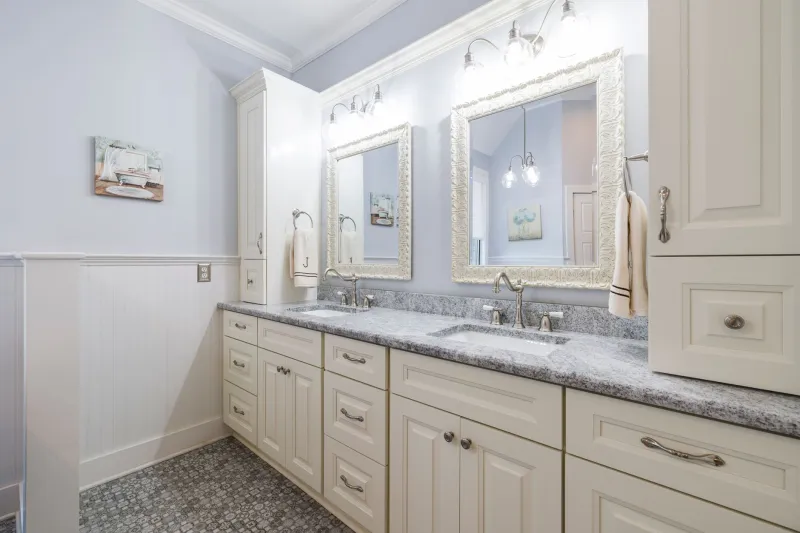
Recessed medicine cabinets with interior electrical outlets for charging devices. Drawer inserts designed around specific product categories. Dedicated compartments for hair tools with built-in ventilation to allow them to cool safely. Pull-out organizers in vanity bases sized to actual product dimensions rather than standard cabinet modules.
This level of storage intelligence requires a designer who is willing to have detailed conversations about the contents of your current bathroom—conversations that can feel intrusive but produce results that are genuinely transformative.
Fixtures That Earn Their Place
In the high-performance luxury bathroom, every fixture is evaluated against a simple but demanding criterion: does this element serve the life being lived in this room, or does it serve the photograph?
The freestanding soaking tub is perhaps the most frequently reconsidered element in this framework. For households that genuinely use a soaking tub regularly, it remains a worthwhile investment—both experientially and financially. For households where the tub would be used a handful of times per year, the floor area it occupies may deliver greater daily value as an expanded shower, a dedicated dressing area, or simply as breathing room.
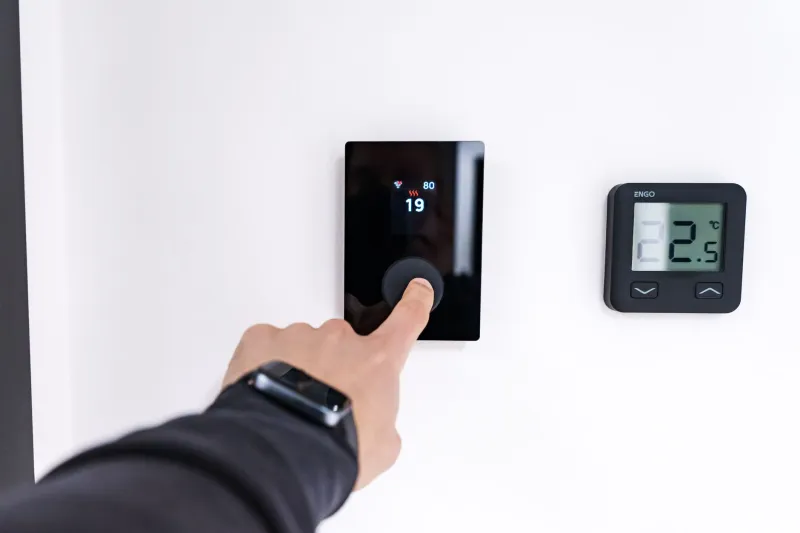
This is not a design philosophy that eliminates luxury. It is one that insists on luxury being earned. A thermostatic shower system that delivers water at your precise preferred temperature within seconds of activation—every morning, without variation—is a more genuinely luxurious experience than a decorative tub that is never filled.
Similarly, a vanity mirror with integrated, color-accurate lighting that eliminates shadows and faithfully renders skin tone serves the daily grooming ritual in ways that a dramatically underlit statement mirror never will, regardless of how striking it appears in a design feature.
Maintenance as a Design Consideration
One dimension of real-life performance that the showroom aesthetic consistently ignores is maintenance. Surfaces that look spectacular on installation day but require intensive, time-consuming upkeep impose a hidden cost that is paid in perpetuity.
Honed marble, for all its beauty, is vulnerable to staining and etching in ways that a honed porcelain alternative is not. Frameless glass shower enclosures with minimal hardware look extraordinary and are genuinely difficult to keep streak-free in a household with hard water. Unlacquered metals develop a patina that some find appealing and others find distressing.
None of these materials should be categorically avoided. But they should be specified with full awareness of what their long-term relationship with a busy household actually looks like. The high-performance designer presents clients with a realistic maintenance profile alongside the aesthetic proposal—because a beautiful material that becomes a source of daily frustration is, ultimately, a design failure.
The Indulgence of Things That Work
There is a counterintuitive truth at the heart of high-performance luxury bathroom design: a room that functions flawlessly feels more indulgent than a room that merely looks extraordinary.
The morning that unfolds without friction—where everything is where it should be, where the water is the right temperature before you step in, where the light is exactly right for the task at hand, where the room absorbs the chaos of a busy household without showing it—that morning is the genuine luxury product.
Designing for that morning requires discipline, rigor, and a willingness to subordinate the photograph to the experience. It is harder work than selecting beautiful materials. It is also, for the people who live in the rooms that result, worth every bit of the effort.